
What to Consider When Choosing a Maryland Youth Detention Center Sexual Abuse Lawyer
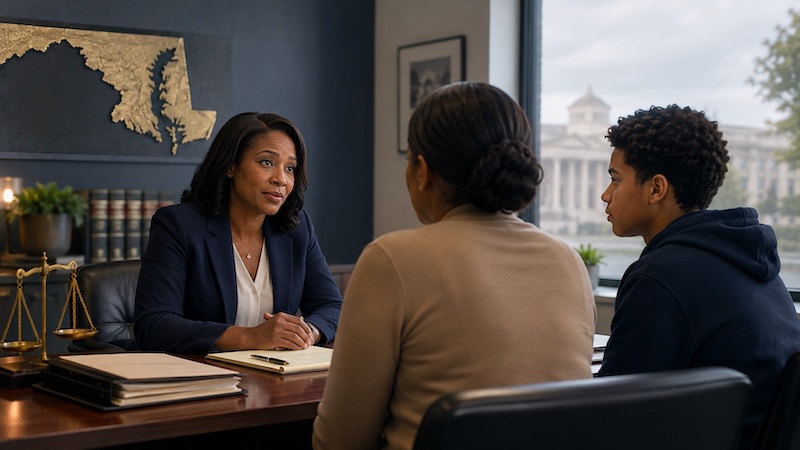
Choosing a lawyer for a Maryland youth detention center sexual abuse case requires care, precision, and an understanding of how abuse can occur inside controlled environments. These claims often involve young people who had limited privacy, restricted movement, and little access to trusted help. When abuse happens in that setting, the case may raise questions about staff conduct, supervision failures, ignored warnings, reporting systems, and institutional responsibility.
A lawyer handling a Maryland youth detention center sexual abuse claim may need to investigate those issues while treating the survivor with respect. The legal process can involve both the personal harm reported by the survivor and questions about institutional practices that may have allowed the abuse to occur.
A Youth Detention Abuse Case Is Different From a Standard Injury Claim
Many injury claims begin with a visible event, such as a crash, fall, or medical error. A youth detention sexual abuse claim is often harder to uncover because the abuse may have happened behind closed doors, in a setting where the survivor had little control over daily life.
A detained youth may have depended on staff for food, phone access, movement, discipline, medical care, and basic safety. If the abuser was a staff member, contractor, counselor, guard, volunteer, or another person with access to the facility, the survivor may have feared retaliation or disbelief. If the abuse involved another detained youth, the case may still involve staffing levels, supervision practices, prior warnings, or failures to separate vulnerable youth from known risks.
An investigation may need to look beyond the act of abuse itself. Important questions include who had responsibility for the child’s safety, whether warning signs were missed, whether complaints were ignored, and whether facility rules were followed.
Why Delayed Disclosure Matters
Delayed disclosure is common in sexual abuse cases, especially when the survivor was a child or teenager. In youth detention, reporting can feel even more difficult because the survivor may fear punishment, isolation, threats, or being labeled as a problem. Some youth may not have had private access to a trusted adult outside the facility.
Delayed reporting should not automatically be treated as a weakness in a claim. Shame, fear, trauma, confusion, and survival instincts can all affect when a survivor is able to speak. A lawyer handling the matter should know how to gather information without making the survivor feel interrogated or blamed.
That requires clear communication. The survivor should understand what details are needed, why those details matter, how sensitive information may be used, and what privacy protections may apply during the case.
Maryland-Specific Legal Issues to Consider
Maryland youth detention sexual abuse claims can involve issues beyond general injury law. Depending on the facts, a lawyer may need to consider Maryland civil claims, youth detention operations, agency responsibility, contractor involvement, older abuse allegations, and records connected to specific facilities.
Survivors and families researching civil options may also encounter information from Injury Lawyer Team Maryland detention attorneys about how Maryland youth detention sexual abuse claims may be evaluated. Information from any legal source should be considered in light of the facts of the individual case.
Maryland-specific knowledge may also affect which questions are relevant early in a case. Where was the survivor housed? Who had access to that unit? Were there prior complaints? Was the survivor moved after reporting concerns? Did the facility discipline, transfer, or retain staff members despite warning signs?
The answers can help show whether the claim involves individual misconduct, negligent supervision, poor reporting practices, or a broader institutional failure.
Why Pattern Evidence May Matter
Youth detention abuse cases often require pattern-based investigation. A survivor may know what happened to them, but they may not know whether others complained about the same person, the same unit, or the same unsafe conditions.
A lawyer may investigate prior complaints, staffing levels, room assignments, grievance records, surveillance gaps, shower or room-check procedures, and staff disciplinary history. Institutional abuse claims may depend on several pieces of evidence rather than one fact alone. Records showing repeated warnings, similar allegations, or preventable access to vulnerable youth may provide important context.
A case does not necessarily depend only on the survivor’s memory, especially if the abuse happened years earlier. Trauma, age, fear, and time can affect recall. Records, timelines, staff schedules, medical notes, therapy records, witness statements, and facility policies may help support the claim.
Facility Rules and Abuse-Prevention Standards Can Matter
Youth detention facilities are expected to maintain systems that protect young people from sexual abuse and harassment. Those systems may include staff training, reporting channels, investigations, supervision rules, and protections against retaliation. In Maryland, youth detention authorities recognize a formal zero-tolerance policy for sexual abuse and harassment, which can make prevention and reporting procedures important in a civil claim.
A lawyer may examine whether written policies existed and whether staff actually followed them. A policy has little value if supervisors ignore complaints, staff avoid reporting duties, or youth are too afraid to use the system.
If a youth reported inappropriate conduct and no meaningful action followed, that may support a claim that the facility failed to respond properly. If a staff member had repeated access to vulnerable youth despite prior concerns, the case may involve hiring, training, supervision, or retention failures. If records are missing or incomplete, a lawyer may need to investigate why those gaps exist.
Survivor Control During the Legal Process
Sexual abuse in youth detention can leave a survivor feeling powerless long after release. The legal process should avoid adding to that loss of control. Clear communication can help the survivor understand the available choices and each major decision in the case.
The survivor should know whether the case is a civil claim, what compensation may cover, how records may be used, who may see sensitive information, and whether the matter could resolve through settlement or continue into litigation. Some survivors want accountability but fear publicity. Others want answers about who knew of the danger and failed to act. Some need compensation for therapy, emotional harm, lost opportunities, or long-term trauma.
A lawyer should listen before shaping the case. The survivor’s story should not be sensationalized, disclosures should not be rushed, and the survivor should not be pressured to share more than is necessary. The case should be handled with accuracy, patience, and respect.
Questions to Ask When Evaluating a Lawyer
The first conversation with a lawyer can show whether they understand the demands of youth detention sexual abuse cases. Survivors and families may want to ask:
- Have you handled institutional sexual abuse claims before?
- How do you investigate abuse that happened in a locked facility?
- What happens if the survivor reported the abuse and no one acted?
- How do you approach cases involving older abuse allegations?
- Can you investigate patterns involving staff members, facility practices, or prior complaints?
- How do you protect survivor privacy?
- Who will communicate with the survivor during the case?
- What fees or costs should the survivor understand before moving forward?
- How do you avoid pressuring the survivor during the process?
The answers should be specific and respectful. Broad promises without a clear explanation of the investigation process may be a warning sign. Survivors and families may also want to consider how a lawyer addresses trauma, privacy, communication, and the survivor’s role in major decisions.
Evidence Can Exist Even When the Abuse Was Hidden
Many survivors worry that they cannot bring a claim because they did not report the abuse immediately or no longer have documents. That concern is understandable, but it does not always end the case.
Evidence may come from facility records, intake documents, room assignments, staff schedules, grievance forms, incident reports, medical records, therapy records, disciplinary files, visitor logs, transport records, and communications with family members. Witnesses may include other detained youth, former staff, counselors, medical providers, relatives, or people who heard the survivor disclose the abuse later.
A timeline showing access, opportunity, warning signs, and lack of response can be an important form of evidence. A lawyer may build a case from separate records and witness accounts, especially when the survivor was too young, afraid, or confined to preserve evidence at the time.
Early Legal Review and Practical Considerations
Civil claims involving youth detention abuse can be emotionally difficult and legally complex. Survivors may need to make decisions about privacy, records, deadlines, compensation, and whether to pursue accountability from individuals, agencies, contractors, or other responsible parties.
Some people also review general information about legal guidance after serious harm when learning why records and deadlines may matter after a serious incident. The legal issues in a youth detention abuse claim are different and depend on the facts and applicable Maryland law.
In a Maryland youth detention sexual abuse case, an early review may help identify information that should be gathered before documents become harder to locate. A lawyer may also discuss the risks of contacting certain parties directly, posting sensitive details publicly, or signing paperwork without understanding its effect.
Clear guidance should help the survivor understand the process without creating additional pressure. The pace and level of involvement can depend on the survivor’s circumstances and the needs of the case.
Key Considerations When Choosing Legal Representation
When evaluating a Maryland lawyer for a youth detention center sexual abuse claim, relevant considerations may include experience with institutional abuse cases, the ability to investigate facility practices, clear communication, and a respectful approach to survivor privacy and control.
These cases can require legal knowledge and sensitivity to difficult personal circumstances. A lawyer may need to examine facility failures, ask detailed questions, and pursue available legal options without turning the survivor’s story into a spectacle.
For survivors and families, the choice of lawyer may depend on whether the lawyer understands the safety, trust, responsibility, and privacy issues that can arise when harm is alleged to have occurred in a youth detention setting.


